Australian pop icon Kylie Minogue is globally celebrated for her chart topping hits and glittering stage performances. For decades, she has carefully maintained a widely beloved public image, intentionally steering clear of partisan politics. However, in July 2026, despite not taking a single action or uttering a single word, Minogue inadvertently became the center of an intense political controversy back in her home country. The bizarre incident highlighted how easily pop culture and political discourse can collide in the modern media landscape.
The Spark on National Television
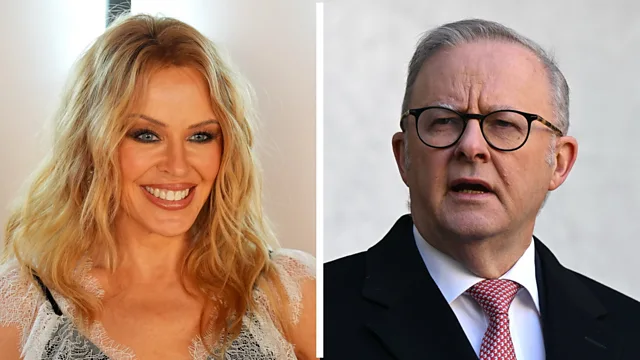
The entire controversy stemmed from a momentary slip of the tongue by Australian Prime Minister Anthony Albanese during a guest appearance on a popular evening entertainment program. In an attempt to connect with a younger demographic and show a more relaxed side, the Prime Minister participated in a lighthearted segment about Australian cultural exports.
When the conversation shifted toward the current economic climate and the struggles of young Australians trying to navigate the housing market, Albanese attempted to make a relatable pop culture reference. Unfortunately, he clumsily merged a discussion about economic fortune with Minogue’s classic hit “I Should Be So Lucky”. His phrasing made it sound as though he was suggesting struggling citizens simply needed to rely on luck, accidentally implying that Kylie Minogue herself endorsed this out of touch sentiment regarding the national economic struggle.
The Political Fallout

The backlash was immediate and fierce. Within minutes of the broadcast, social media platforms were flooded with criticism. Opposition leaders quickly seized the opportunity, condemning the Prime Minister for trivializing a serious domestic crisis and dragging a beloved national treasure into a messy political debate.
Political commentators and journalists analyzed the brief television clip on a loop. The Prime Minister’s office was forced to issue a rapid series of clarifications, stating that Albanese meant no disrespect to the public or to Minogue and that his words were simply a poorly constructed metaphor. Despite the apologies, the gaffe dominated the news cycle for weeks, causing a noticeable dip in his approval ratings during a crucial polling period.
The Power of Silence
Perhaps the most fascinating aspect of the entire ordeal was Kylie Minogue’s complete lack of response. While the media relentlessly speculated on how the pop star felt about being used as a political talking point, Minogue and her management team chose a path of absolute silence. She did not issue a press release, she did not post about it on social media, and she ignored shouted questions from paparazzi.
Public relations experts praised this strategy. By refusing to engage, Minogue prevented the story from gaining any legitimate connection to her personal brand. Her silence spoke volumes, allowing the political firestorm to burn itself out without scorching her reputation. It served as a masterclass in celebrity crisis management, proving that sometimes the best reaction to an uninvited controversy is no reaction at all.
A Lasting Cultural Moment
By the end of July 2026, the intense heat of the controversy began to cool, but the incident left a lasting mark on Australian political media. It became a cautionary tale for politicians about the dangers of forcing pop culture references in serious contexts. Meanwhile, Kylie Minogue emerged entirely unscathed, her status as an untouchable Australian icon only solidified by her graceful distance from the political chaos.